
September 15, 2026
The Easement Gets You the Pipe. What Gets You the Workspace?
Having an easement is an important part of project readiness. But it does not necessarily answer a second, equally important question:
Do you have enough room to actually build the project?
A permanent utility easement may provide the rights needed for the pipeline or other permanent facility. Construction, however, often requires considerably more space.
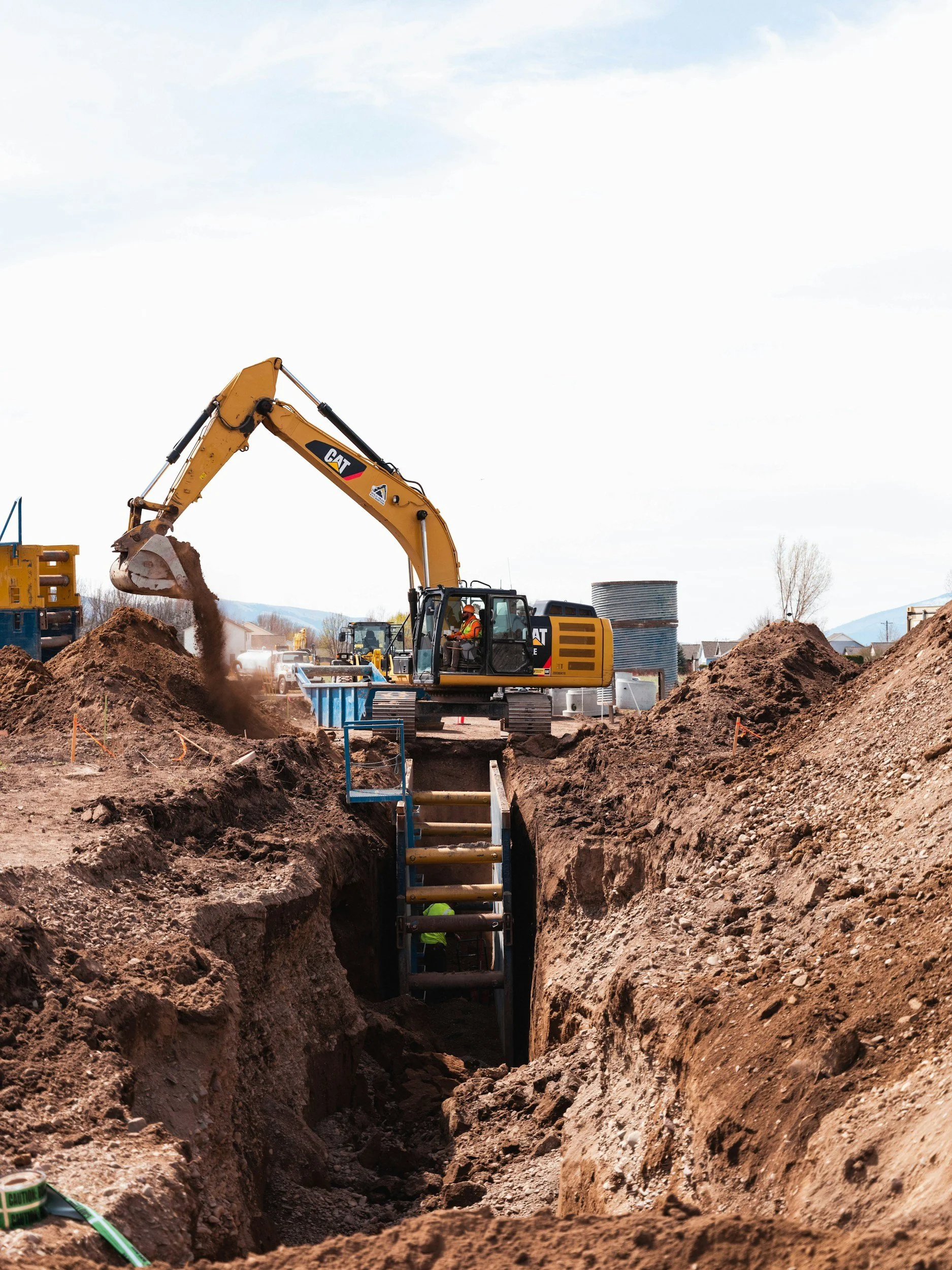
Excavators have to operate. Trenches generate spoils. Pipe and materials may need to be staged. Contractors need access. Bore pits, temporary grading, fencing, restoration and other construction activities can extend well beyond the footprint of the finished utility.
That is where a Temporary Construction Easement, or TCE, may come into play.
What Does a TCE Actually Do?
A TCE provides the project temporary rights to use a defined portion of private property for a specific construction purpose and period of time.
For pipeline projects, the Texas Water Development Board distinguishes between permanent easements, where the pipeline will remain, and temporary easements that provide additional working space for equipment movement, material storage and other construction activities. TWDB guidance also notes that the temporary area is restored after construction and the temporary easement then ceases to exist.
The exact rights, duration and limits depend on the individual easement document and project. TxDOT similarly treats temporary easements as rights acquired for a specified period and purpose and emphasizes defining both in the easement instrument.
In other words, a TCE is not simply "extra easement." It is temporary workspace tied to what the project actually needs to construct.
Why Existing Easements Can Create a Readiness Gap
This becomes especially important when replacing or rehabilitating existing infrastructure.
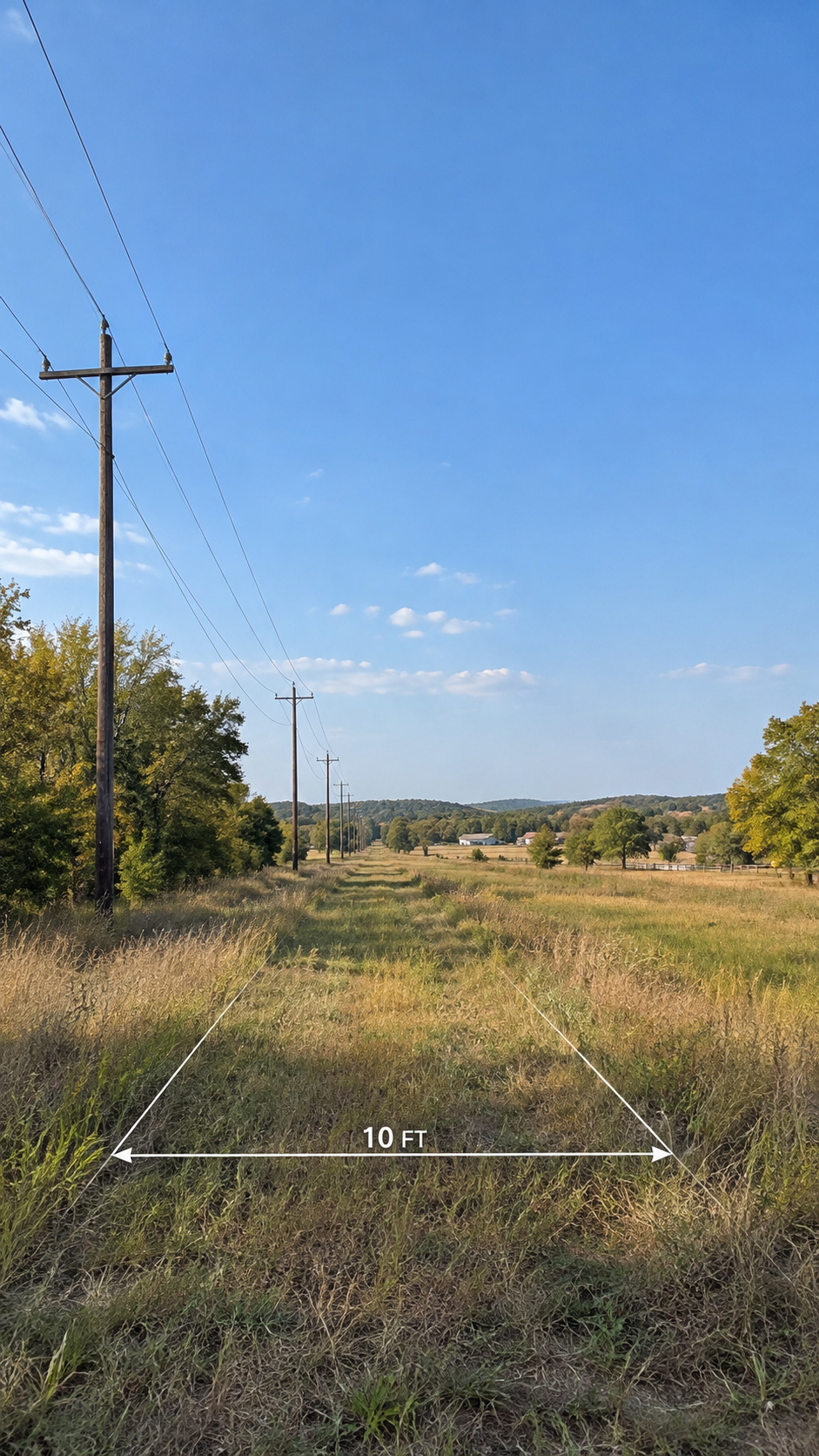
A water line may have occupied the same corridor for decades. The utility may have a valid permanent easement for that line. But today's project may involve a larger pipe, different construction equipment, a shifted alignment, new bore locations or simply a different construction method.
The permanent easement might still work perfectly well for the finished facility while being too narrow for the construction required to get it there.
We have seen versions of this problem in the field. Contractors and utility installers reach construction and discover that the available workspace is not sufficient for the equipment or construction approach. On other projects, permanent rights have already been acquired, including through condemnation, only for the project team to later return to landowners for additional temporary workspace.
That creates additional coordination at exactly the point when everyone would prefer the project to be moving toward construction.
What About an Old TCE?
Older easement records deserve particular attention.
An original utility easement may show both a permanent easement and additional temporary workspace used when the line was first installed. That does not automatically mean the temporary area is available again decades later for replacement, rehabilitation or expansion.
Temporary rights are typically tied to a defined purpose and duration. The actual recorded instrument should be reviewed to understand what was acquired and whether any rights remain applicable to the proposed work. TWDB's pipeline-planning guidance, for example, describes temporary construction easements as ending after installation and restoration.
The existence of an old line or old construction footprint should not substitute for reviewing the underlying property rights.
🛠️ TerraServ Project Readiness Support
TerraServ helps Texas cities, water districts, utilities, engineers and infrastructure teams investigate the property side of projects before unanswered land-rights issues become construction-stage problems. Our team can assist with existing easement and title research, construction-workspace review, temporary and permanent easement acquisition, TCE-only acquisition packages, access and landowner coordination, and other property-readiness needs.
📞 We love to chat, call us direct at: (512) 277-5497 or reach out to us at TerraServ@TerraServTX.com
Before Calling a Project Construction-Ready
Property needs should be evaluated against how the project will actually be built, not just where the finished utility will sit.
Before acquisition is finalized or construction approaches, consider:
How wide is the existing permanent easement?
Where will excavation occur?
What equipment needs to operate beside the trench or facility?
Where will spoils, pipe and other materials go?
How will crews and equipment access the work area?
Are bore pits or other temporary work areas required?
Do existing easement documents grant rights that actually apply to the proposed work?
If temporary rights were acquired for the original installation, are those rights still applicable?
Does the proposed acquisition footprint reflect the current design and construction method?
This kind of coordination is best done early between engineering, construction planning and the property team.
TxDOT follows the same general principle in its project-development guidance. Where utility work extends outside existing ROW, easements may be permanent or temporary depending on the work, and TxDOT specifically recommends reviewing title reports and easement documents to determine the boundaries and actual property rights affected by the proposed work.
Bottom Line
Existing easement does not necessarily equal construction-ready.
Knowing that a utility has permanent rights is only part of the analysis. Project teams should also understand where construction will physically occur, what temporary workspace is needed, and whether the rights already in place actually cover the proposed work.
Identifying that gap during design and acquisition is usually much easier than discovering it after the contractor is ready to mobilize.
This article is provided for general informational purposes only and is not legal, engineering or surveying advice. Easement rights and project requirements vary by instrument, property and project. Appropriate legal, engineering and surveying professionals should be consulted when those services are required.