
September 21, 2026
Old Easements, New Construction: What Happened to the Temporary Workspace?
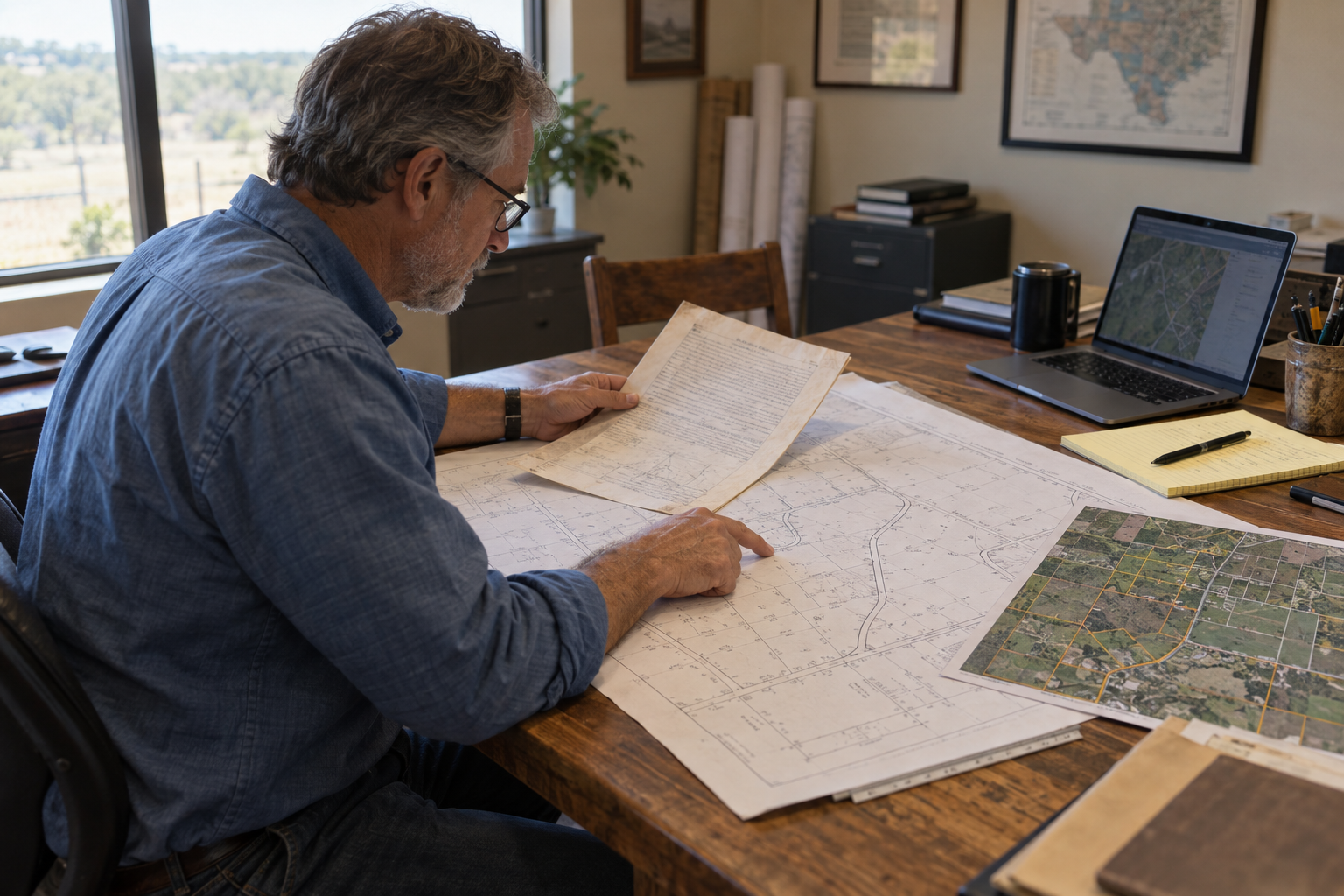
That Old Easement Had a TCE 40 Years Ago. Can You Still Use It?
For an infrastructure project, finding the old easement can feel like a major win.
The utility has occupied the corridor for decades. The permanent easement is recorded. Better yet, the old documents even show additional temporary construction space.
Problem solved?
Not necessarily.
If that temporary workspace was acquired for the original installation, the more important question is whether those temporary rights still apply to the work being proposed today.
Permanent and Temporary Rights Do Different Jobs
A permanent utility easement generally provides continuing property rights associated with the utility facility itself, subject to the language of the specific instrument.
A Temporary Construction Easement, or TCE, serves a different purpose. It provides temporary use of additional property for construction activities such as equipment movement, material storage, excavation, staging, access or other project-specific workspace.
Texas Water Development Board pipeline guidance describes permanent easements as the area where the pipeline remains after construction, while temporary easements provide additional working space during construction. After installation and restoration, that temporary easement ceases to exist under the scenario described in TWDB's planning guidance.
TxDOT guidance similarly emphasizes that temporary easements should identify both their purpose and intended duration.
That distinction matters when infrastructure installed decades ago is being replaced today.
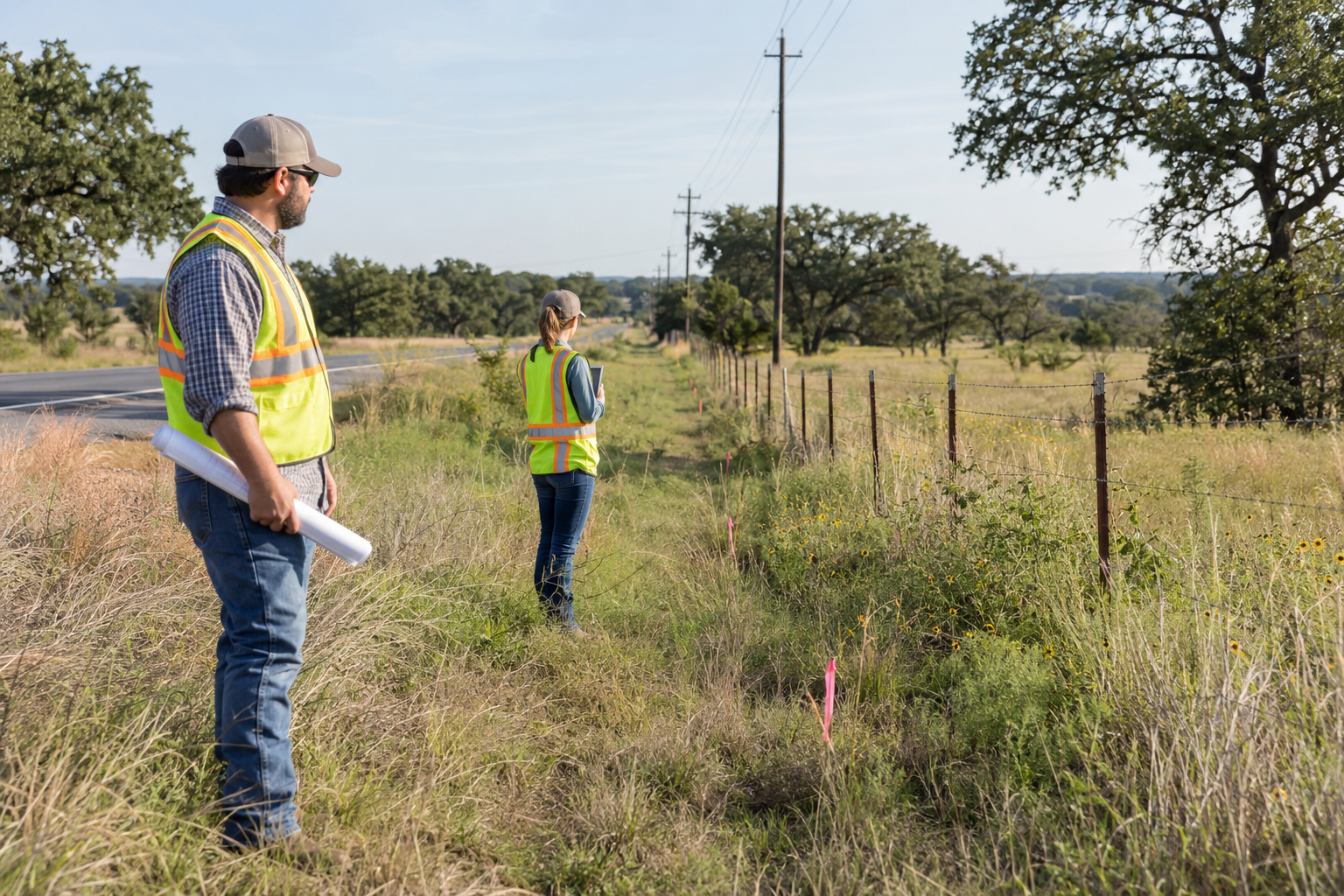
An Old TCE May Tell You What Happened Then
Suppose a waterline was installed in 1986.
The project acquired a 10-foot permanent utility easement plus additional temporary construction space so the contractor could excavate, operate equipment, stage pipe and restore the property.
Forty years later, the permanent easement may still support the existing utility.
But the temporary area shown on the original plans or easement documents may have been tied specifically to the construction of the original line.
Finding evidence that temporary workspace existed in 1986 is therefore useful. It tells the project team something about how the original facility was constructed and what property rights were obtained.
It does not automatically answer whether that same temporary area is available for a replacement project today.
The actual recorded instrument should be reviewed for its purpose, duration and terms.
Today's Construction May Also Need Different Space
Even if the permanent easement continues to work for the finished utility, today's project may not look like the original one.
A replacement may involve:
a larger line;
different excavation methods;
new bore locations or pits;
heavier or wider equipment;
a shifted alignment;
different access;
pipe and material staging; or
additional restoration areas.
That means the property analysis should not stop at:
“Do we have an easement?”
It should also ask:
“Do the rights we have match how this project will actually be constructed?”
We have seen projects where permanent rights were already secured, but additional temporary workspace still had to be addressed later because the construction footprint had not been fully accounted for.
That is a much harder conversation to have once construction is approaching.
Before Relying on an Old Easement
For replacement or rehabilitation work in an existing utility corridor, consider reviewing:
What does the permanent easement actually authorize?
Was temporary workspace separately acquired?
What purpose was stated for the temporary rights?
Was a specific duration or termination event included?
Does today's construction footprint extend outside the permanent easement?
Where will equipment operate?
Where will excavation, spoils, pipe and materials be located?
Are access or bore-pit areas needed outside the existing rights?
Does the current acquisition plan reflect the current construction method?
The answers will vary by project and instrument.
The important part is asking the questions before the project reaches construction.
Bottom Line
An old easement can be valuable evidence of existing property rights.
An old TCE can also tell you how much additional room the original project needed to build the facility.
But temporary construction rights should not be assumed to remain available simply because they appear in an old project file.
For replacement and rehabilitation projects, review the actual instrument, understand what rights remain, and compare them against the workspace the current project will require.
Existing infrastructure does not automatically mean existing construction rights.
TerraServ Project Readiness Support
TerraServ helps Texas cities, water districts, utilities and project teams investigate existing easements before replacement or rehabilitation work reaches construction. Our team can assist with easement and title research, review of historical property records, construction-workspace needs, TCE-only acquisition packages, permanent easement acquisition, access and landowner coordination, and other property-readiness issues.
(512) 277-5497
TerraServ@TerraServTX.com
Disclaimer
This article provides general informational material only and is not legal, engineering or surveying advice. Easement rights depend on the language of the individual instrument and the circumstances of the project. Appropriate legal, engineering and surveying professionals should be consulted where those services are required.