
August 26, 2026
A Cow in the Trench: The Hidden Cost of Unresolved Construction Damage
The problem wasn’t the easement. It was the cow.
One of our team members was working on a North Texas utility project recently and needed a temporary construction easement from a landowner who had granted easements with this district before.
There was history, though…
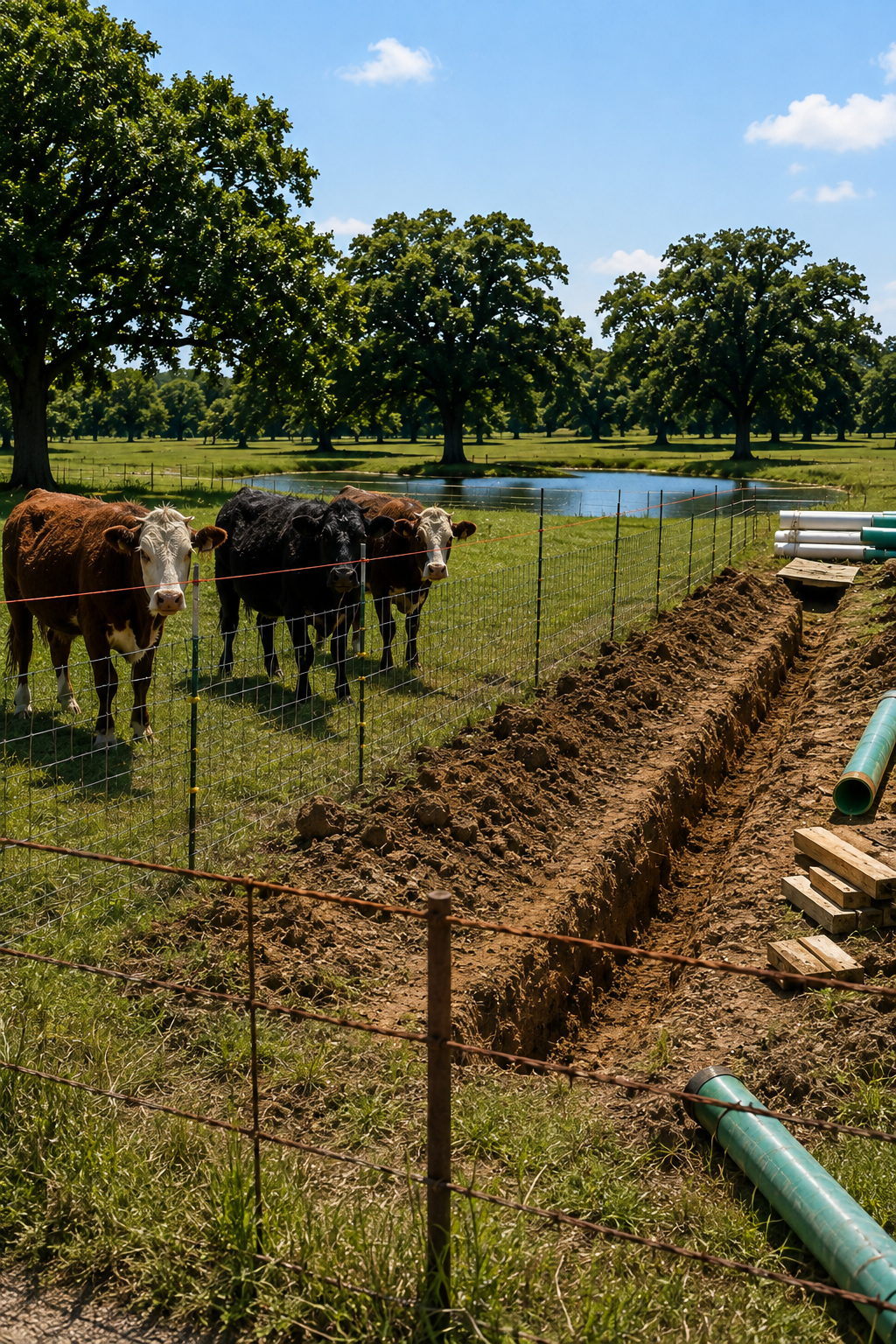
One of the landowner’s cows had fallen into a trench and died when installing a new water line. The original easement did not contain TCE language and the utility provider did not have enough room to do the necessary upgrades. When time came for the upgrades to be done and a TCE to be agreed upon, the landowner saw this as an opportunity to get back at them for Bessie.
Instead of the conversation starting with what needed to be done now, it started with what happened last time.
Before the new acquisition could move forward, the old issue had to be dealt with.
It sounds like a one-off story. But it’s a pretty good example of something that’s easy to overlook with temporary construction easements:
the rights may be temporary, but what happens on the property can follow the project for years.
The Easement Was Temporary. The Problem Wasn't.
A temporary construction easement (TCE) gives a project temporary rights to use a specific area for construction. Depending on the document, that may include workspace, access, excavation, equipment movement, or other temporary uses.
The legal description shows you where that area is. It doesn't show you what construction is going to run into once crews get there.
On a rural water project, that might be cattle, fences and gates. Somewhere else it may be a driveway, irrigation line, crops, landscaping, equipment, drainage or the only practical access to part of the property.
And it certainly doesn't tell you what happened the last time a contractor came through.
That's where a TCE stops being just a document and starts becoming a construction issue.
What Doesn't Show Up on the TCE Exhibit
A clean strip on an easement exhibit can look pretty simple.
Construction usually isn't.
Before crews mobilize, it helps to understand things like:
where fences, gates and livestock are located;
how the owner currently accesses the property;
what improvements or agricultural uses sit within the work area;
what will likely be disturbed and restored; and
whether there is history from earlier work that may affect a new negotiation.
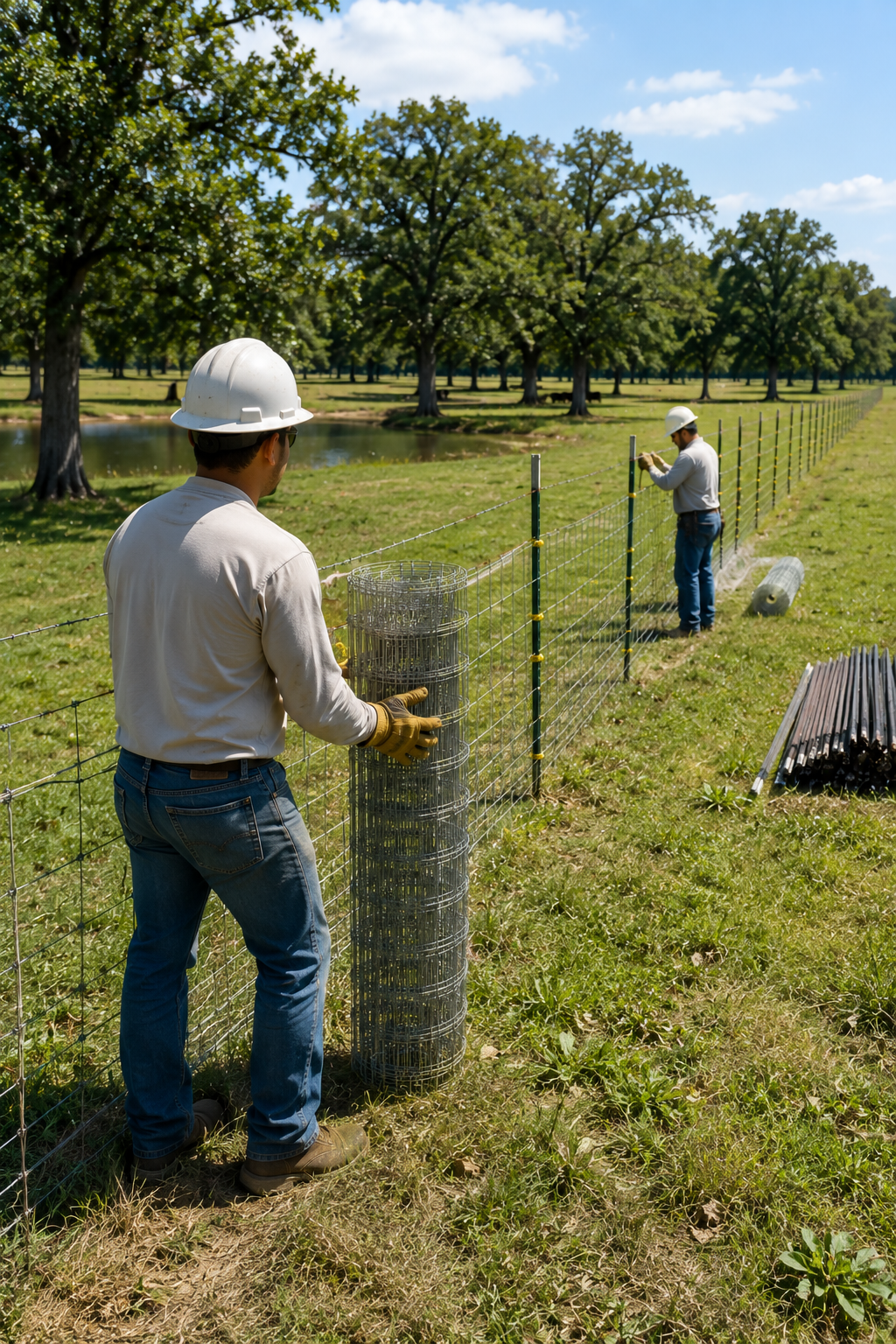
Temporary fencing is one of the most common issues owners raise. They may be less concerned with the legal exhibit than with what happens when a fence is opened and cattle are still in the pasture. If that question hasn’t been thought through early, it can become a negotiation problem very quickly.
The exact obligations on a particular parcel still depend on the easement language, agreements, project documents and circumstances.
The practical question is simpler:
Has anyone looked at the property through the lens of how construction will actually use it?
🛠️ How Can TerraServ Help?
Before the Contractor Mobilizes, Know the Property
TerraServ can help utilities and engineering teams research existing easements and ownership, compare current land rights with anticipated construction needs, and identify parcels where temporary workspace, access or additional rights may need attention.
We can also help flag the practical owner concerns that often shape rural easement negotiations — things like temporary fencing, livestock protection, gates, access and restoration — so those issues can be addressed earlier instead of surfacing after negotiations are already underway.
Have a project approaching construction and aren’t quite sure what land issues or owner concerns may come with it? We’re happy to take a look.
📞 We love to chat, call us direct at: (512) 277-5497 or reach out to us at TerraServ@TerraServTX.com
The Next Easement May Start With the Last Project
That is where the cow story matters. The issue wasn’t simply that livestock existed near a construction project.
And it isn’t proof that every possible construction impact can—or should—be solved through easement language.
Something happened on the property, though, and from the landowner’s perspective it was never resolved. Years later, when the district needed another easement, that old problem was still sitting there.
Ultimately, the district paid for the cow. Only then could the new acquisition move forward.
By that point, the cost of the original construction issue was no longer just the cow. It had become part of the negotiations and schedule for another project.
That’s the piece worth remembering.
A pre-construction land-rights review can’t predict everything a contractor might encounter. But it can help identify existing easements, current ownership, anticipated temporary workspace and obvious parcel-specific issues while there is still time to deal with them.
Sometimes that means finding a fence.
Sometimes it means finding an access problem.
Sometimes it means learning that the last project left behind an issue nobody on the current team knew about.
Temporary construction ends. The history with the landowner doesn’t.
Before asking for the next easement, it’s worth knowing what the last project left behind.
Disclaimer: This article is provided for general informational purposes and is not legal or engineering advice.
Property rights, construction obligations and responsibility for property impacts depend on the applicable agreements, project documents, facts and law.