
August 12, 2026
The Line Needs to Be Replaced. Do You Have the Right to Put It Back?
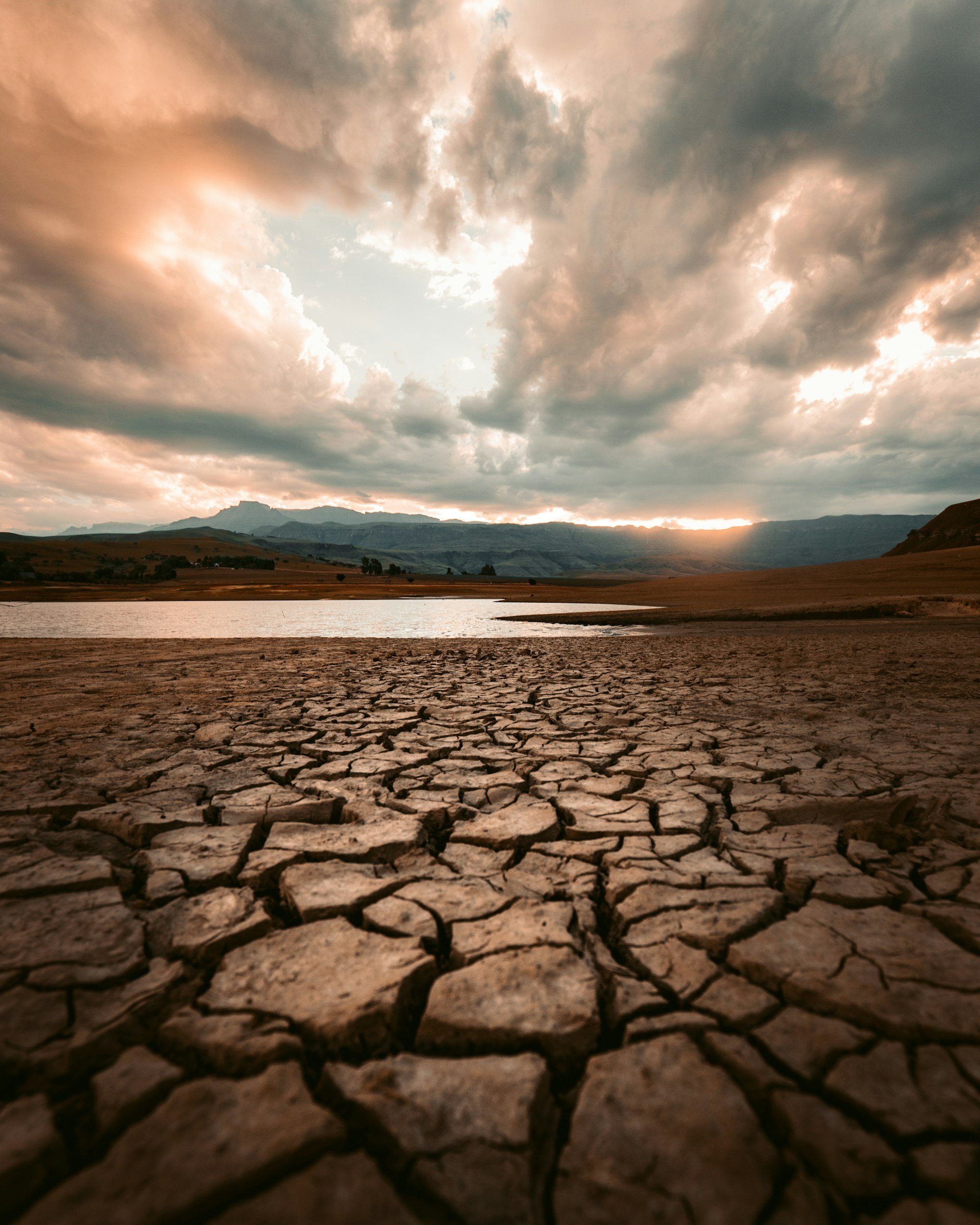
Texas summers have a way of finding the weak spots in a water system.
Maybe it’s a line that has been repaired one too many times. Maybe demand has outgrown it. Maybe the engineer is already looking at a larger replacement as part of the next capital project.
Everybody knows where the old line is. The operator has worked on it for years. It’s probably on the utility map.
But then somebody asks:
What actually gives us the right to put the new line there?
That’s a different question.
The Pipe Is Easy to Find. The Paperwork May Not Be.
A line that was installed 30 or 40 years ago can have a long history behind it.
It might be sitting in a recorded utility easement. It might be within public road right-of-way. The rights might come from a subdivision plat, an older deed, or property the utility owns outright.
And sometimes the records are simply harder to piece together than anyone expected.
That doesn’t mean there’s a problem with the line. It means the location of the facility and the property rights supporting it are two different things worth confirming before a replacement project gets too far along.
TxDOT’s own guidance makes that distinction when dealing with utilities affected by transportation projects. It defines a utility easement as a specific interest in a legally described parcel and, when property rights matter to reimbursement, requires those rights to be supported by records such as deeds, easements, or leases.
The circumstances are different on a locally initiated water project, but the practical lesson carries over: find the documents and understand what they actually cover.
Because the New Project May Not Look Like the Old One
Suppose the existing six-inch line is being replaced with a twelve-inch line.
That alone doesn’t tell you whether additional property rights are needed. The language and location of the existing easement matter. But the new design may introduce things the old installation never needed.
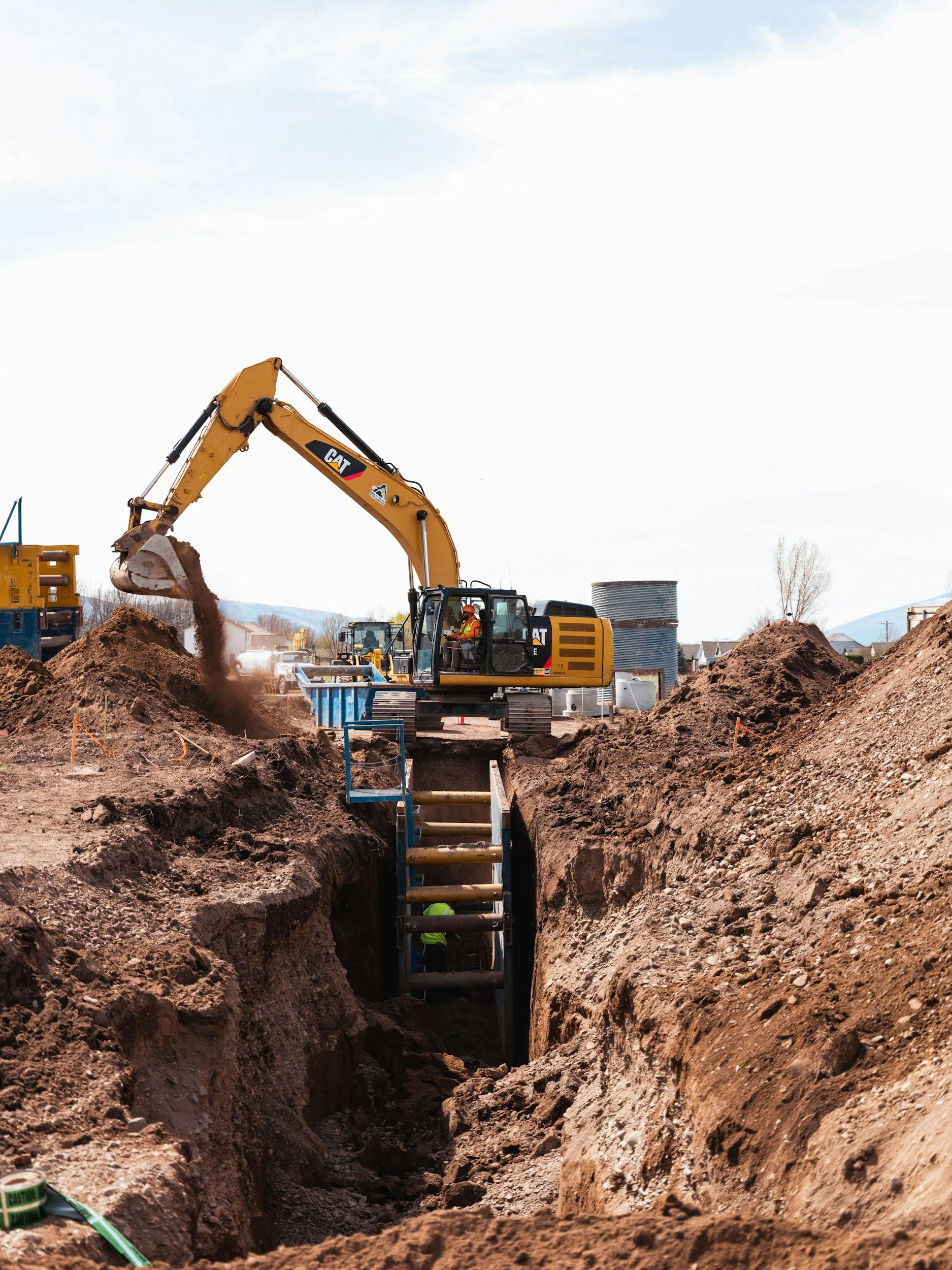
The engineer may shift the alignment. A road crossing may be bored instead of trenched. There may be valves, vaults or other appurtenances. Construction could require room for equipment, bore pits or temporary workspace outside the permanent line location.
TxDOT’s roadway design guidance recognizes the same basic distinction: when utility work extends beyond existing ROW, temporary or permanent easements may be needed depending on the work, and title reports and easement documents should be reviewed to determine the actual property rights involved.
So the better question usually isn’t:
“Do we have an easement?”
It’s:
“What rights do we have, where are they, and do they fit what we’re planning to build?”
The Permanent Easement May Not Be the Whole Construction Footprint
Another issue is temporary workspace.
An older utility easement may provide permanent rights for the line itself, while temporary construction rights used during the original installation were limited to that project or expired years ago.
That distinction may not matter while the utility is performing ordinary maintenance within its existing easement. It can matter quite a bit when a replacement project requires equipment access, excavation, spoil areas, bore pits, staging, or room to install a parallel line before the existing facility is taken out of service.
So even when the permanent easement appears adequate for the finished facility, the project team should still ask:
Where will the contractor actually need to work, and do we have the right to use that area during construction?
Depending on the existing documents and proposed design, the answer may be an existing right, a temporary construction easement, additional permanent easement area—or simply a change in how the project is built.
A Few Questions Worth Answering Early
Before the replacement alignment is mostly settled, it helps to know:
Is the existing line in public ROW, private easement, or both?
Can the original easement or plat actually be located?
Does its legal description line up with the facility on the ground?
How much width and access does it provide?
Did any temporary construction rights granted with the original easement expire after the initial project?
Does the proposed construction footprint extend beyond the permanent easement, even if the finished line does not?
Is the replacement staying in the same alignment?
Will construction need temporary workspace?
Are there locations where new permanent rights may be necessary?
Who owns those parcels today?
None of those questions necessarily lead to acquisition.
Sometimes the research ends with: we already have what we need.
That’s a useful answer, too.
🛠️ Replacing an Older Line? Start With the Records.
TerraServ can help utilities and engineering teams track down existing easements, research roadway ROW and title history, identify current property ownership, and compare existing land rights with the footprint of a proposed project.
If additional permanent or temporary rights may be needed, identifying those parcels early gives the project team more time to plan around them rather than discovering them late in design.
Have an older line coming up for replacement and aren't quite sure what the records show? We're happy to take a look.
(512) 277-5497
TerraServ@TerraServTX.com
Don’t Wait Until the Plans Are Finished
Land rights are much easier to account for while the project still has design flexibility.
If one section turns out to need additional easement area, the engineer may have another workable alignment. If ownership has become complicated through estates or subdivisions, the acquisition team has time to start sorting it out. If the existing rights work perfectly, everyone can move forward with more confidence.
What gets expensive is finding the problem after the alignment has been designed around an assumption nobody ever checked.
Bottom Line
An old water line being in the same place for decades is a good starting point.
Before replacing it, upsizing it, or moving it, take the next step: identify the property rights supporting the existing facility and compare them with what the new project actually needs.
That answer is usually much more useful early than it is at bid time.

Disclaimer: This article is for general informational purposes and is not legal or engineering advice.
The scope and sufficiency of any particular easement or property right depends on the underlying documents, facility location, project design, and applicable law.