
July 22, 2026
The High Cost of "Unrecorded" Easements:
How Legacy Utility Records Threaten System Expansions
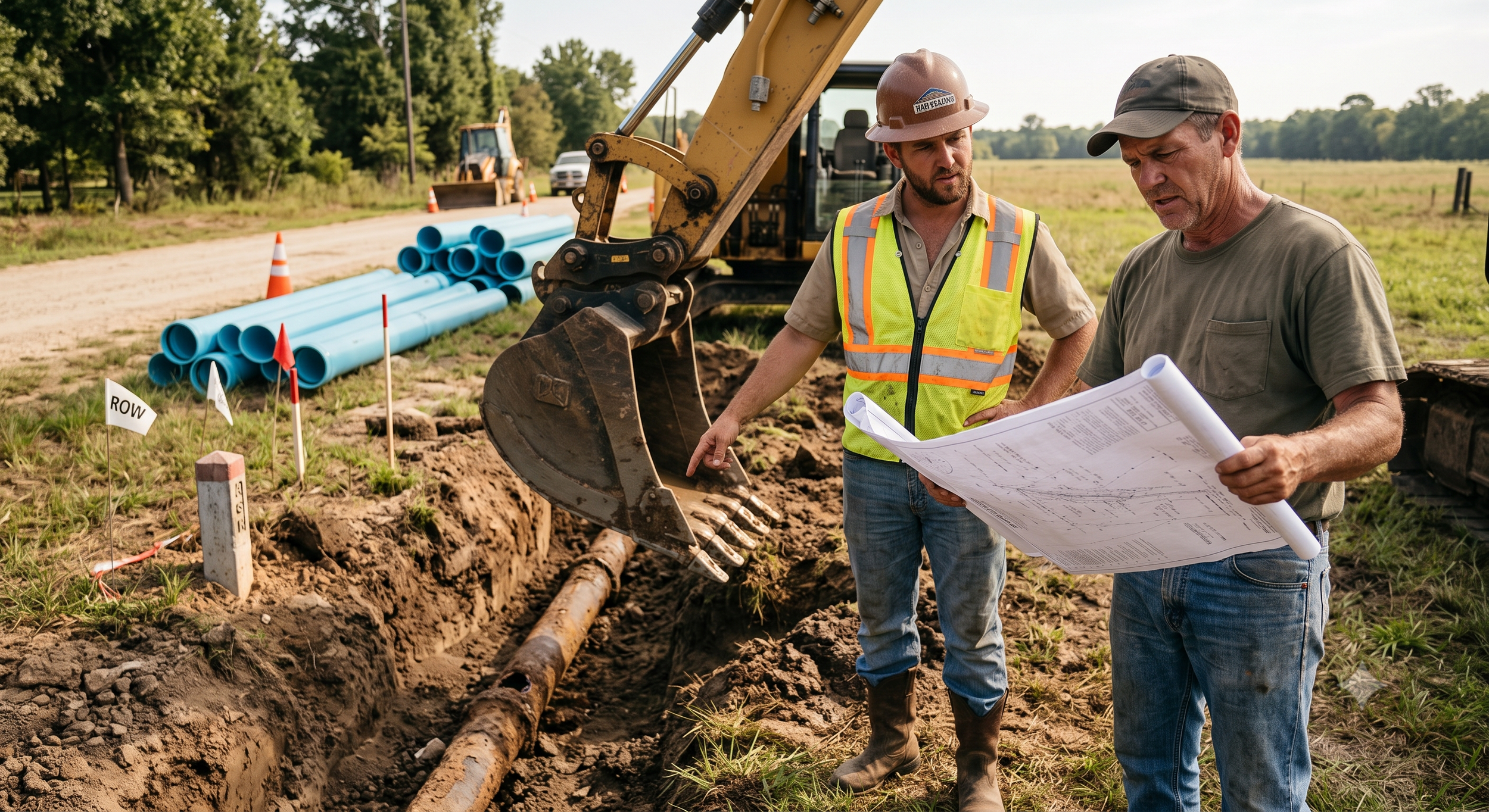
It started when a trenching crew broke ground on a system upgrade, only to uncover a 50-year-old water main that (according to Official County Deed Records),
wasn't supposed to be there.
Contractors were on site, equipment was rented, and new PVC piping was staged along the road. But work ground to a sudden halt when the neighboring property owner marched out with his land survey, claiming the line was trespassing on his property.
The utility board pointed to a 1970s project map. The landowner pointed to his clean title policy. As it turned out, the line had been buried decades ago based on a friendly handshake deal.
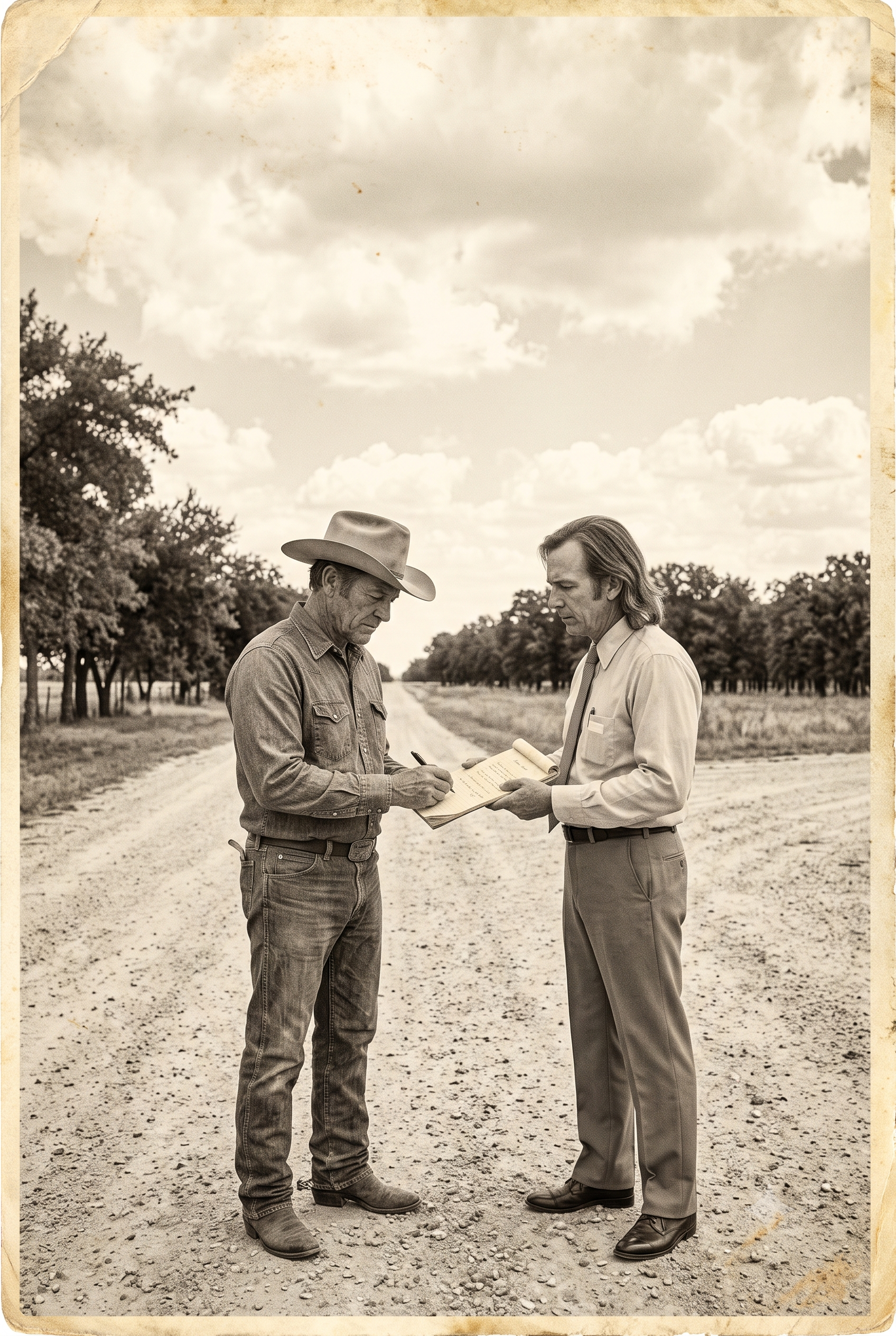
The easement was written on a legal pad, tucked into a filing cabinet, and never recorded with the county clerk.
That single missing filing resulted in a six-month delay, over $80,000 in legal fees, real estate attorney negotiation costs, and an expensive line reroute.
For Texas utility boards, city councils, and municipal engineers, this scenario is a ticking clock. Legacy land records are one of the most significant, overlooked liabilities facing growing utilities today.

The "Handshake Deal" Trap: Why Legacy Agreements Fail Today
Decades ago, establishing right-of-way (ROW) across rural Texas was largely built on local trust. A utility manager would chat with a rancher over coffee, agree on a path across the pasture, and bury the pipe.
While those arrangements kept projects moving at the time, they created severe structural vulnerabilities under modern Texas land law:
Property Transference: An unrecorded easement does not automatically bind a subsequent buyer who purchases the property without actual or constructive notice. When land changes hands, the new owner is legally entitled to rely on county deed records.
Unintended Trespass Violations: Without a recorded easement instrument establishing statutory right-of-way (the legal authority to occupy private land for public utility use), your utility infrastructure is legally considered an encroachment.
Title Partner Friction: Title insurance companies will not cover unrecorded encumbrances. When a landowner attempts to sell or refinance, an unrecorded line discovered during a boundary survey can freeze the sale and trigger immediate demand letters to the utility board.
The TxDOT & Funding Bottleneck
Incomplete land records don't just cause landowner disputes—they directly threaten your access to public capital and highway relocation projects.
TxDOT Utility Accommodation Rules (UAR): When TxDOT widens a state highway or farm-to-market road, utilities must clear the right-of-way. If your utility can prove prior compensable interest (a recorded easement pre-dating state road acquisition), TxDOT typically reimburses the relocation cost. If your easement is unrecorded or missing, your utility bears 100% of the financial burden for moving those lines.
Grant & Loan Compliance: Funding agencies like the TWDB and USDA Rural Development require certified land rights before releasing loan or grant funds. Discovering unrecorded segments during environmental or engineering review can stall funding approvals indefinitely.
PUCT & TCEQ Oversight: Both the Public Utility Commission of Texas (PUCT) and the Texas Commission on Environmental Quality (TCEQ) expect regulated utilities and WSCs to maintain accurate, audit-ready service area mapping and asset records.
🛠️ How Can TerraServ Help?
Uncovering a decades-old "handshake deal" in the middle of an active project doesn't have to stall your board’s timeline or blow your budget. Whether you’re modernizing legacy lines, clearing title for TWDB grant funding, or navigating TxDOT utility accommodations, TerraServ acts as a seamless extension of your team.
Here is how we help Texas WSC boards, municipal leaders, and utility engineers eliminate legacy ROW risks:
Title Audits & Historical Easement Verification: We dig deep into county deed records to locate, verify, or formally cure unrecorded "legacy" easements before excavators hit the ground or auditors review your funding applications.
Private Easement Acquisition & Curing: When old agreements fall short, we handle end-to-end landowner outreach, surveying coordination, and clean easement negotiations to ensure your right-of-way is legally ironclad.
TxDOT & County Alignment Strategy: When placing pipe in public rights-of-way is unavoidable, we navigate complex utility accommodation rules and encroachment permitting to protect your utility from costly future relocation mandates.
Don't let unrecorded lines create unexpected liabilities down the road.
📞 We love to chat, call us direct at: (512) 277-5497 or reach out to us at TerraServ@TerraServTX.com
The Bottom Line for Board Members and Engineers
Hoping your legacy utility records hold up under modern legal scrutiny is a high-risk gamble. As Texas land values soar and rural acreage is subdivided into suburban developments, old handshakes are breaking down.
Actionable Next Steps for Utility Leadership:
Audit High-Risk Corridors: Identify legacy lines planned for capacity upgrades or affected by upcoming TxDOT roadway projects.
Digitize & Match Records: Cross-reference physical plant maps against official county property records to catch gaps before construction begins.
Execute Curative Easements: Work with experienced land rights specialists to negotiate and record formal, legal easement instruments with landowners before conflict arises.
Protecting your utility's long-term financial health starts with securing the ground beneath your infrastructure.
Secure Your Infrastructure Rights with TerraServ
Navigating legacy land records, easement acquisition, and ROW coordination doesn't have to stall your next capital improvement project. TerraServ specializes in helping Texas municipalities, RWSCs, and special districts audit land rights, negotiate curative easements, and streamline project delivery.
Congrats on making it to the end! Need a quick mental break? Head to the TerraServ Break Room!
The information presented in this publication—including all text, visual depictions, and case study examples—is provided by TerraServ for educational and strategic planning context only. While the regulatory references (including TxDOT and TWDB guidelines) reflect general real property principles in Texas, this content does not create an attorney-client or professional consulting relationship. Rights-of-way, easement validity, and title liabilities vary by property and jurisdiction; consult with your legal counsel or land rights consultant to conduct formal record searches for active infrastructure projects.