
DATE PUBLISHED
TxDOT Roadway Expansions & Forced Betterment: What Water Boards Need to Know
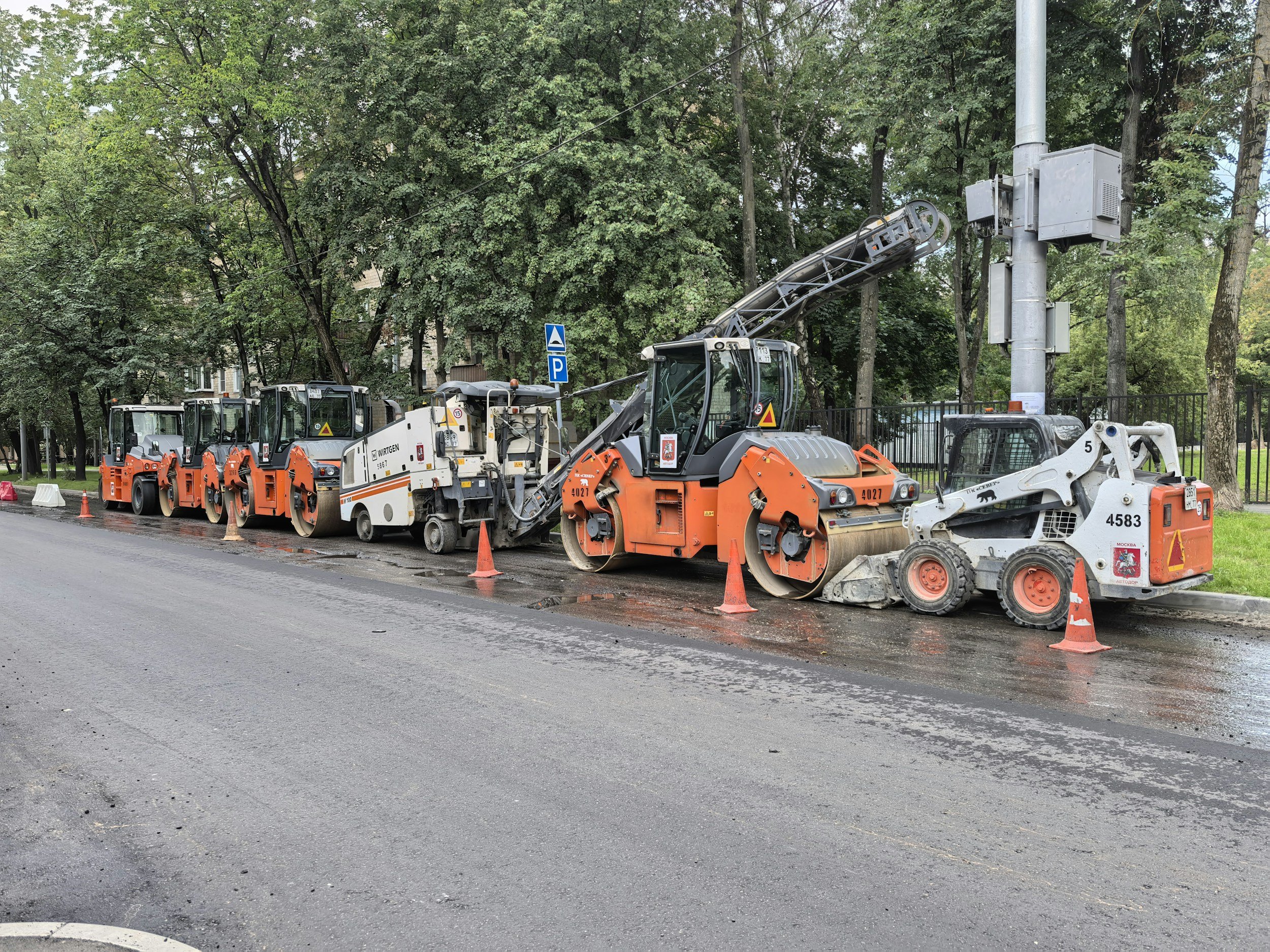
When the Texas Department of Transportation (TxDOT) announces a roadway expansion that conflicts with your utility lines, your board faces an immediate challenge. Whether you operate a Water Supply Corporation (WSC), a Municipal Utility District (MUD), or a Special Utility District (SUD), relocating infrastructure can require substantial capital investment and technical planning.
A common question board members ask is: If TxDOT forces us to move our 4-inch waterline, can we upgrade to an 8-inch pipe during the relocation, and will TxDOT pay for the upgrade?
The answer lies in understanding the difference between elective upgrades and forced betterment.
Elective vs. Forced Betterment: What’s the Difference?
TxDOT’s utility manuals distinguish strictly between two types of system improvements during a right-of-way (ROW) adjustment:
Elective Betterment: An upgrade chosen by the utility owner for its own system benefit (e.g., expanding capacity for future growth). Elective betterments are non-reimbursable and require the utility to credit TxDOT for the added cost.
Forced Betterment: An upgrade necessitated by the transportation project itself or governing regulatory requirements, rather than solely for the utility's benefit.
When properly justified and approved, qualifying forced-betterment costs may be included among the reimbursable costs of an otherwise eligible utility adjustment, subject to the project's applicable eligibility and cost-participation requirements.
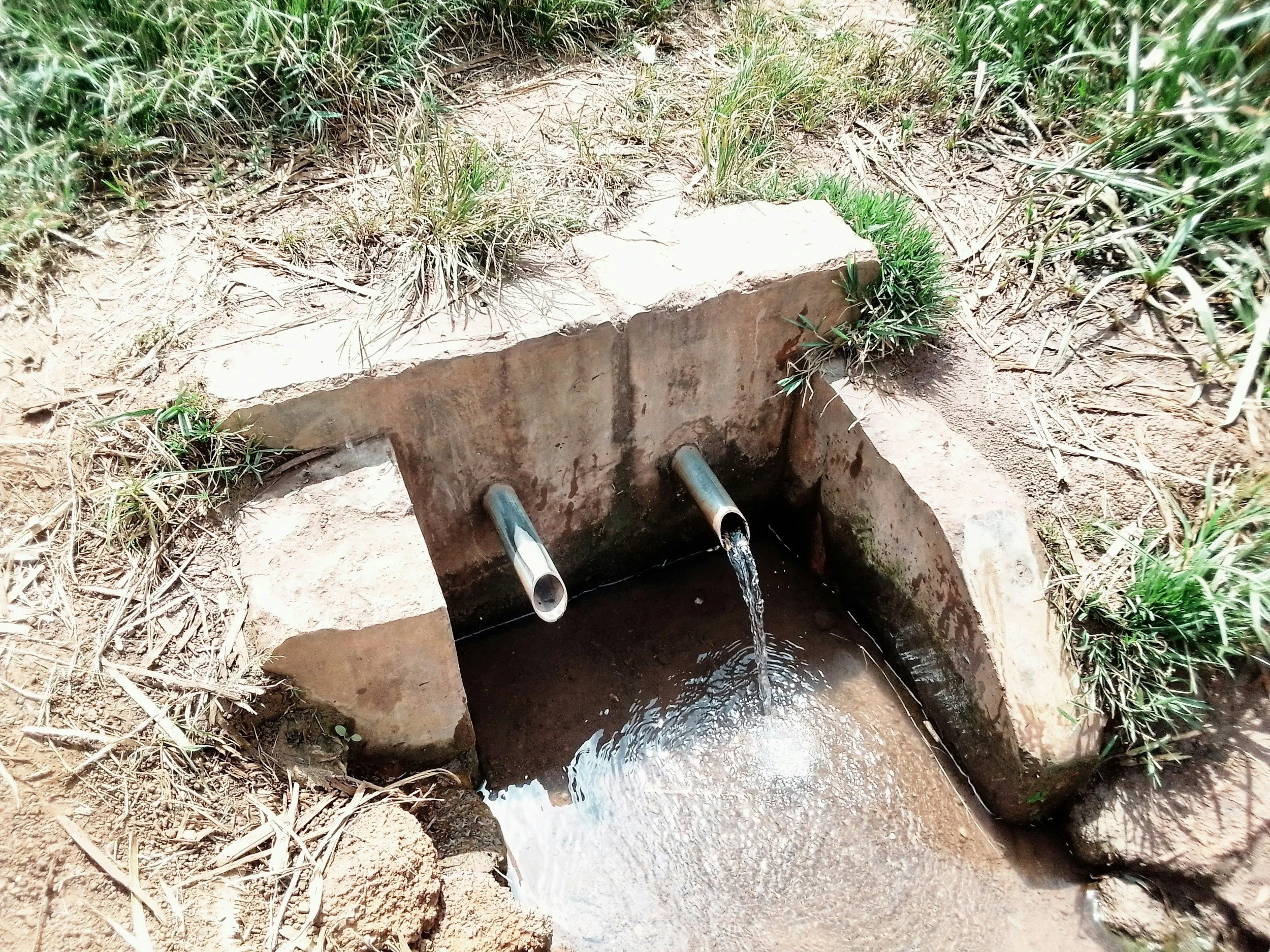
At TerraServ, our approach to these projects centers on a simple principle: Investigate. Don't assume. Not every upgrade is a forced betterment, not every betterment is reimbursable, and the engineering justification always matters.
The 6 Categories for Forced Betterment
Under TxDOT guidelines, a forced betterment incorporated into a Standard Utility Agreement (SUA) must meet one or more of six specific criteria:
1. Non-stocked items uneconomical to purchase: Your original pipe size or material is obsolete or no longer stocked, making an exact "in-kind" purchase cost prohibitive.
2. Compliance with governmental laws and regulated industry standards: Mandatory updates required by state law or local jurisdictional rules.
3. Appropriate regulatory commission codes: Enforceable regulations from bodies like the Texas Commission on Environmental Quality (TCEQ) or the Public Utility Commission of Texas (PUCT).
4. Published, current design practices regularly followed by the utility: Your District’s formally adopted, routinely enforced design standards require a different standard or minimum diameter for all new construction.
5. Replacement of equivalent standard, although not identical: Modern equivalent materials (such as replacing legacy cast iron with modern C900 PVC or HDPE of equivalent functional rating).
6. Betterments directly benefiting and/or required for the transportation project: Upgrades that directly protect TxDOT’s assets, like heavy-wall pipe encasement under high-load pavement.
🛠️ How Can TerraServ Help?
Navigating right-of-way constraints, TxDOT permitting, and landowner negotiations doesn't have to stall your infrastructure goals. Whether you’re planning a main extension or securing state funding, TerraServ acts as an extension of your utility team.
Here is how we support Texas utility boards, WSCs, and municipal engineers:
Private Easement Acquisition: We handle end-to-end landowner outreach, title work, and easement negotiation to keep your lines out of crowded public ROWs.
TxDOT & County Alignment Strategy: When ROW placement is unavoidable, we help mitigate relocation risks and navigate complex encroachment permitting.
Avoid costly utility conflicts down the road.
📞 We love to chat, call us direct at: (512) 277-5497 or reach out to us at TerraServ@TerraServTX.com
What Does Not Qualify (And Why Details Matter)
TxDOT guidelines strictly limit what can be claimed as a forced betterment. Failing to understand these boundaries can leave your district holding an unexpected bill.
Project Schedules: TxDOT’s Austin District Forced Betterment Guideline expressly notes that project schedule constraints are not an acceptable reason to claim a forced betterment.
Unenforced or Unrelated Ordinances: TxDOT excludes items where local codes or standards are cited without proper context. For instance, local fire-suppression requirements (like installing fire flow capacity where no fire protection previously existed), Texas Administrative Code sections unrelated to pipe sizing, or design standards the utility does not consistently enforce in its daily operations cannot serve as the basis for a forced betterment.
ETJ Sizing Requirements: If your waterline sits in a city’s Extra-Territorial Jurisdiction (ETJ) that mandates a minimum 8-inch line, you cannot simply claim the upgrade automatically. You must formally demonstrate that the rule legally applies to your facility, fits published regulatory criteria, and aligns with standards your utility actually enforces across its service area.
The Bottom Line for Board Members & Engineers
Do not assume TxDOT will automatically cover a pipe size increase or material upgrade. To secure reimbursement for a forced betterment, your utility must provide a well-supported justification package in Attachment G of the Standard Utility Agreement and obtain approval before the agreement is executed.
Properly documenting the physical conflict, citing applicable state or local regulations, and proving consistent utility design practices are the keys to defending your claim.
Partner with TerraServ for Right-of-Way Success
Navigating TxDOT utility relocations and forced betterment claims requires experienced land rights coordination, regulatory alignment, and project delivery strategy. Contact TerraServ today to discuss your ROW relocation strategy and identify potential land-rights and coordination issues early in the process.
Disclaimer: This article is provided for general informational purposes only and does not constitute legal or engineering advice. Utility-adjustment eligibility, reimbursement, and betterment determinations are project-specific and subject to TxDOT review and approval. Utilities should consult their engineer, legal counsel, and the appropriate TxDOT district before making project or financial decisions.