
June 18, 2026
What Does “Ready to Proceed” Mean?
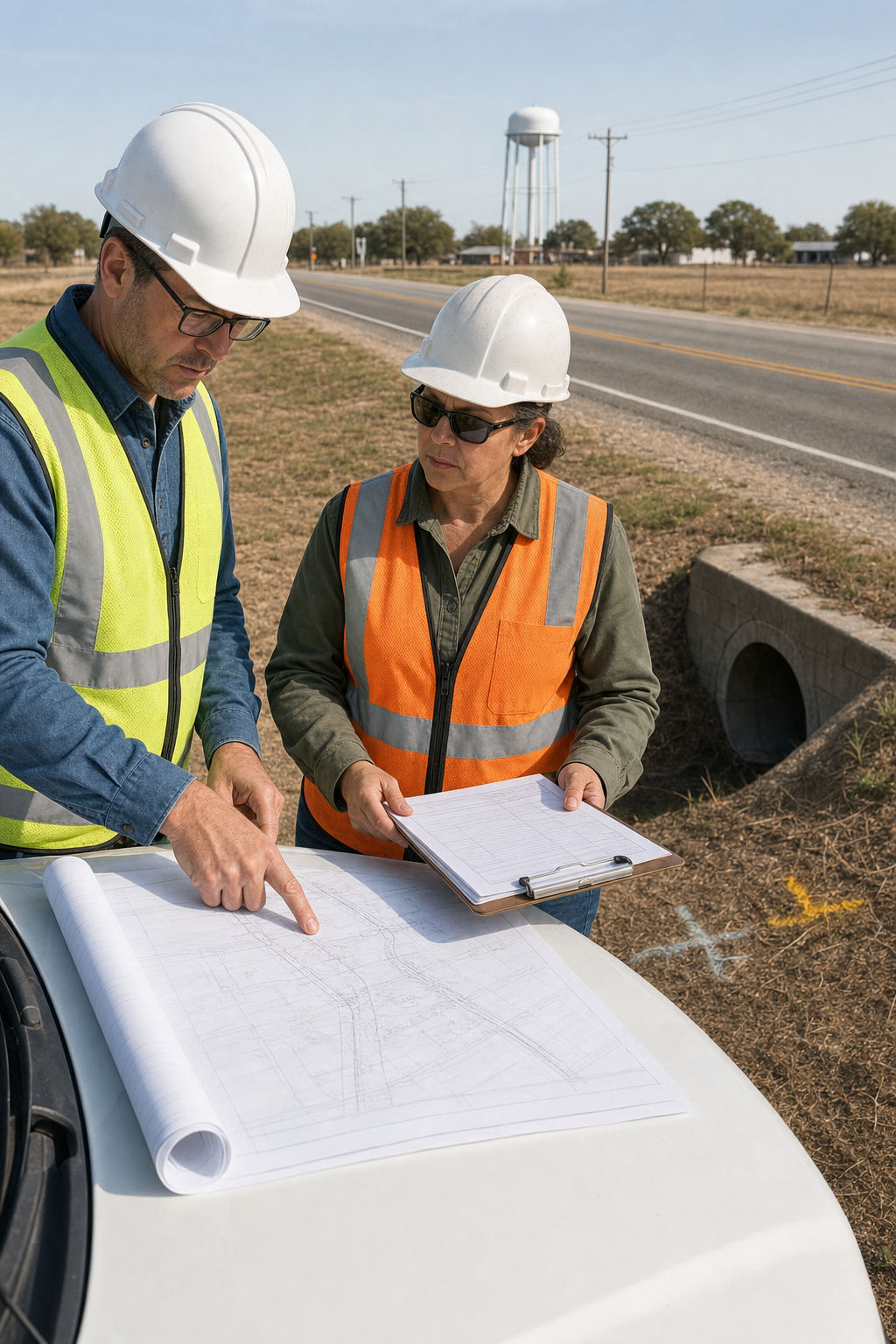
For TWDB’s Funding programs, readiness to proceed means the project is ready for construction.
TWDB’s FAQ defines readiness as having the following items completed:
Environmental coordination
Land and easement acquisition
Permitting
Design, including plans, specifications, and design report
Required regulatory approvals
In plain English, the project should be far enough along that funding can move into construction without major unresolved issues.
That does not mean every shovel is already in the ground. It means the project has cleared the major legal, design, property, and regulatory barriers that commonly delay construction.
Why Readiness Matters for Texas Water Infrastructure
Texas water projects are under pressure from growth, drought, aging systems, and funding deadlines.
HB500 created a one-time WSIG opportunity through TWDB. The program is designed to move water supply and water infrastructure projects forward quickly, but speed only works when projects are actually ready. TWDB’s WSIG materials state that ready-to-proceed projects receive special treatment in review, including no TWDB review of planning documents and reliance on TCEQ design approval for ready-to-proceed projects.
That creates a practical test for cities and districts:
Can this project move into construction without major property, permit, title, utility, or design problems?
If the answer is no, the project may still be important. But it may not be ready.
The Hidden Work Behind “Ready” - Land and Easement Acquisition
For many water projects, land acquisition is the longest unresolved task.
A water line, pump station, tank site, well site, or transmission main may require:
Permanent easements
Temporary construction easements
Access easements
Fee simple land purchases
Facility sites
Entry rights for surveys or geotechnical work
An easement is a legal right to use someone else’s property for a specific purpose. For example, a city may need a permanent easement to install and maintain a water line across private land.
TWDB’s WSIG implementation plan states that all required land and easements must already be acquired for a project to qualify as ready to proceed.
That is a high bar. It means a project with unsigned easements, pending negotiations, or unresolved condemnation risk may not be ready, even if the engineering is complete.
HOW CAN TERRASERV HELP?
TerraServ helps Texas cities, engineers, districts, and infrastructure teams move projects from “planned” to “ready.” If your HB500 WSIG project involves land acquisition, right-of-way, easements, title research, forensic title investigation, utility coordination, or reimbursement issues, contact TerraServ before those issues become schedule problems.
Title Research
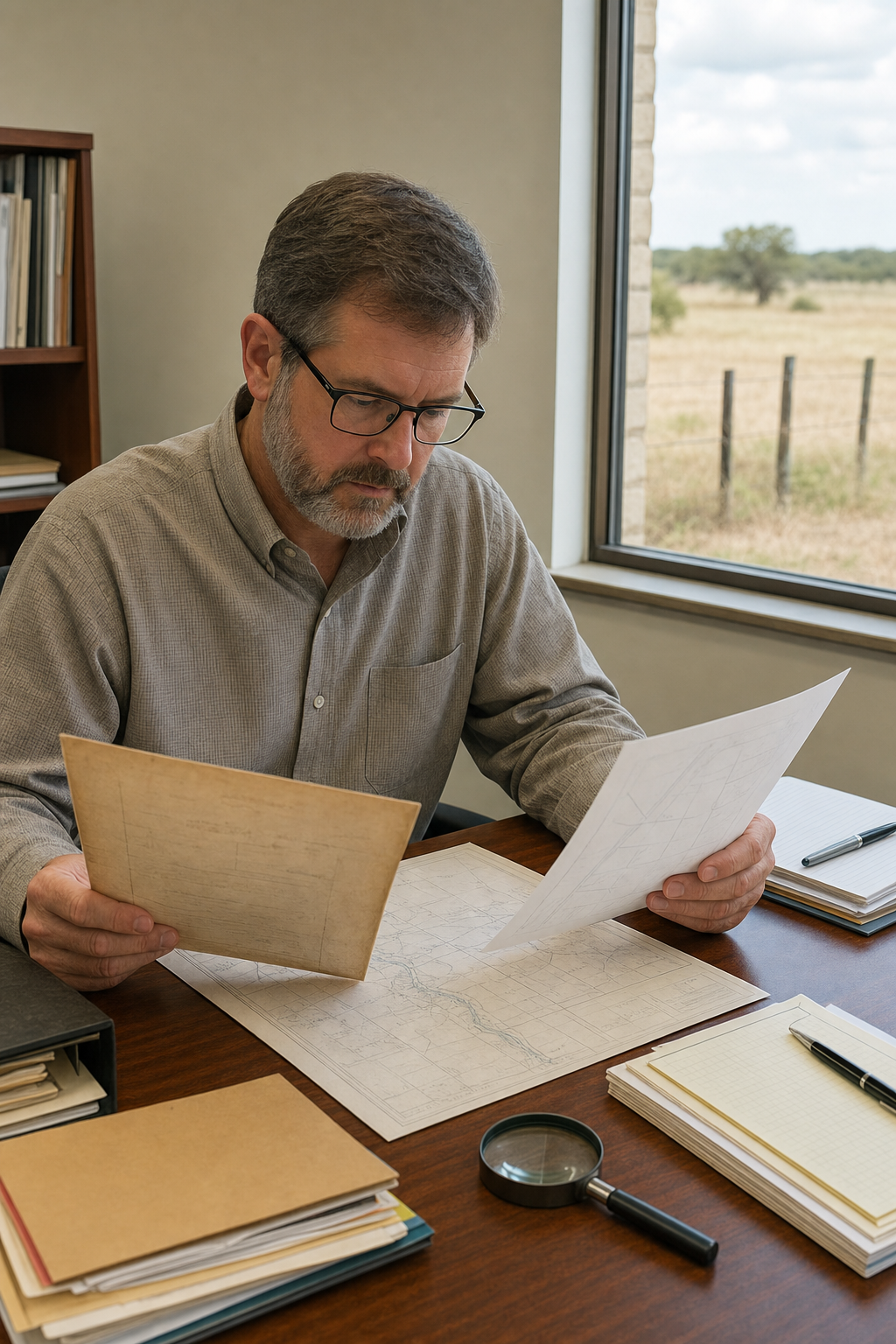
Title research confirms who owns the property and who has legal interests in it.
This is where many projects slow down.
Common title problems include:
Deceased owners
Missing heirs
Old deeds with vague legal descriptions
Undivided family ownership
Prior easements that affect the proposed route
Lienholders that must sign documents
Conflicts between appraisal district records and deed records
Unrecorded access or utility issues
Forensic title investigation goes deeper than a basic ownership search. It traces the property history, identifies missing parties, and helps determine what must be fixed before an easement or acquisition can close.
For a water project, this matters because construction access depends on legal rights. A contractor cannot safely mobilize across a tract if the agency does not have the proper easement.
Environmental Coordination
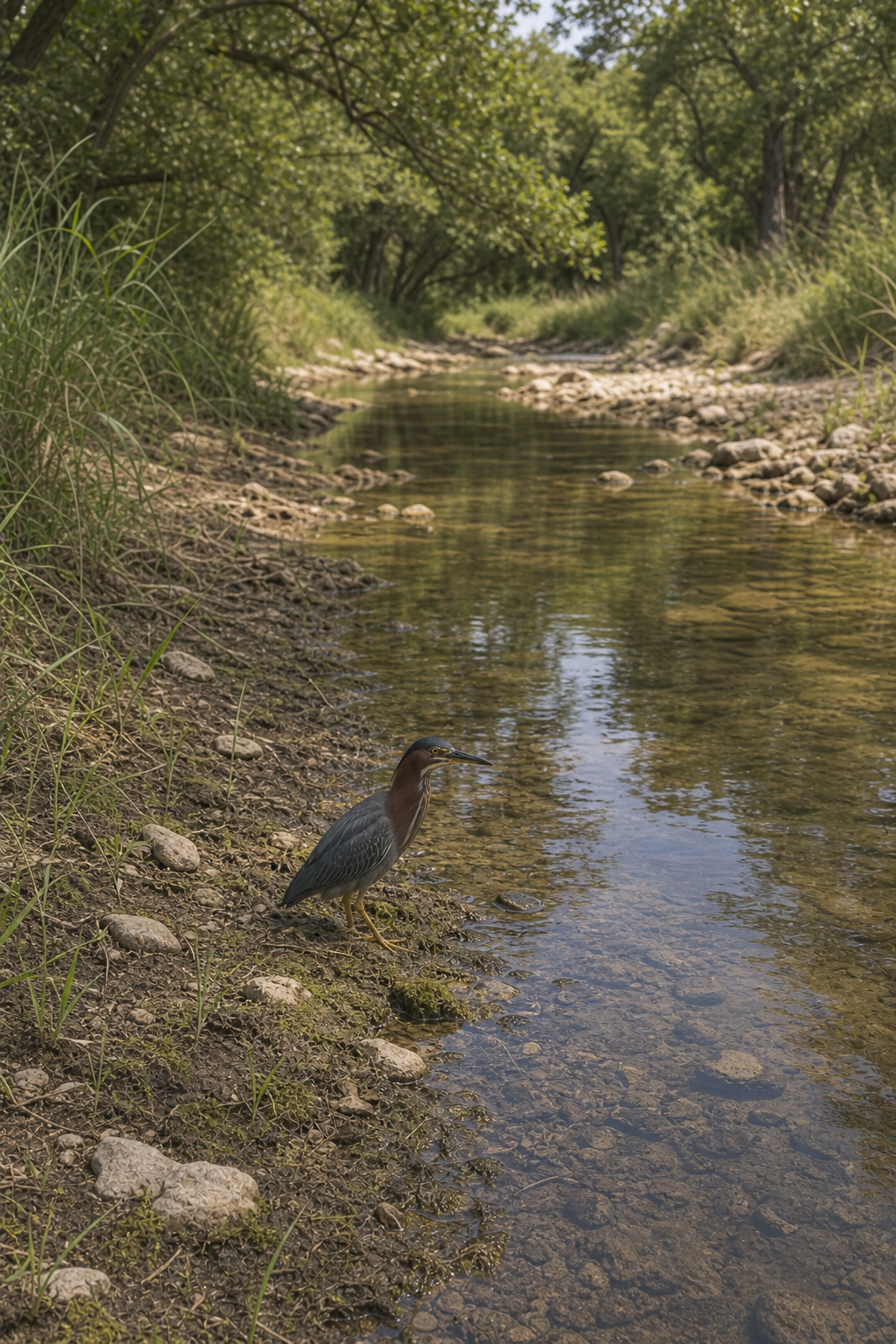
Environmental coordination is another readiness issue that can be underestimated.
Depending on the project, agencies may need to address:
Wetlands
Streams or drainage crossings
Threatened or endangered species
Cultural resources
Floodplain issues
Construction impacts
Federal or state review requirements
TWDB’s WSIG materials state that readiness includes completed environmental coordination. The implementation plan also says TWDB will not issue an environmental finding for WSIG projects and will require an affidavit of self-certification for environmental compliance.
That places responsibility on the applicant. The project file needs to support the certification.
Permitting and Regulatory Approval
Permits and regulatory approvals can also determine whether a project is ready.
For water infrastructure, this may include:
TCEQ design approval
Local development permits
TxDOT permits for crossings within state right-of-way
Railroad crossing agreements
County permits
Floodplain development permits
Corps coordination, when applicable
Traffic control or construction access approvals
TWDB says it will rely on TCEQ design approval for ready-to-proceed WSIG projects, while still reviewing plans and specifications for requirements such as U.S. Iron and Steel, performance bonds, and retainage.
That means design approval is not the only issue. Procurement and contract documents also need to be aligned with funding requirements.

Why Utility Coordination Belongs in the Readiness Conversation
Utility coordination is not always listed first, but it often drives delay.
A water project may conflict with:
Gas lines
Fiber optic lines
Electric distribution or transmission
Existing water and sewer lines
Telecommunication facilities
Drainage structures
Franchise utilities
Private service lines
A utility conflict is a place where existing infrastructure interferes with the proposed project.
If conflicts are discovered late, the project team may need redesign, relocation agreements, reimbursement analysis, additional easements, or construction sequencing changes. That can affect bid schedules and grant deadlines.
For Texas water projects, early utility coordination should answer:
What utilities are in the corridor?
Who owns them?
Are they in public right-of-way, private easement, or prescriptive location?
Does the utility have a compensable property interest?
Who pays for relocation?
Does the project require a reimbursement agreement?
Will relocation require new easements?
This is where land acquisition, title research, and utility reimbursement overlap.
Readiness Checklist for Texas Water Projects
Before calling a water project ready to proceed, agencies should ask:
Are all permanent easements acquired?
Are all temporary construction easements acquired?
Is title clear for every affected parcel?
Have deceased owners, heirs, liens, and prior rights been addressed?
Are environmental coordination items complete?
Are required permits submitted or approved?
Has TCEQ design approval been obtained, if required?
Are utility conflicts identified and assigned?
Are relocation and reimbursement obligations documented?
Are plans, specifications, and bid documents grant-compliant?
Are project costs organized for reimbursement or audit?
Can the project meet funding, escrow, and construction deadlines?
If the answer is no to several of these, the project may need readiness support before funding is pursued or construction is advertised.
TerraServ is not the Texas Water Development Board and does not determine grant eligibility.
This article summarizes public TWDB guidance and focuses on land-rights readiness for Texas water infrastructure projects.