
November 13, 2026
The TxDOT Relocation Notice Arrived. What Should Your Utility Ask First?
The notice arrives: a highway project is moving forward, and part of your water system may be in the way. For a small utility, that letter can raise several questions at once. Does the line truly conflict? How quickly must it move? Who pays? And what can the system authorize before those answers are settled?
Start by separating the notice from the decisions that follow. A required adjustment is a project issue. Eligibility for State participation is a separate, fact-specific determination based on applicable law, agreements, funding and the utility’s rights. Neither should be inferred from the other.
First, confirm what actually conflicts
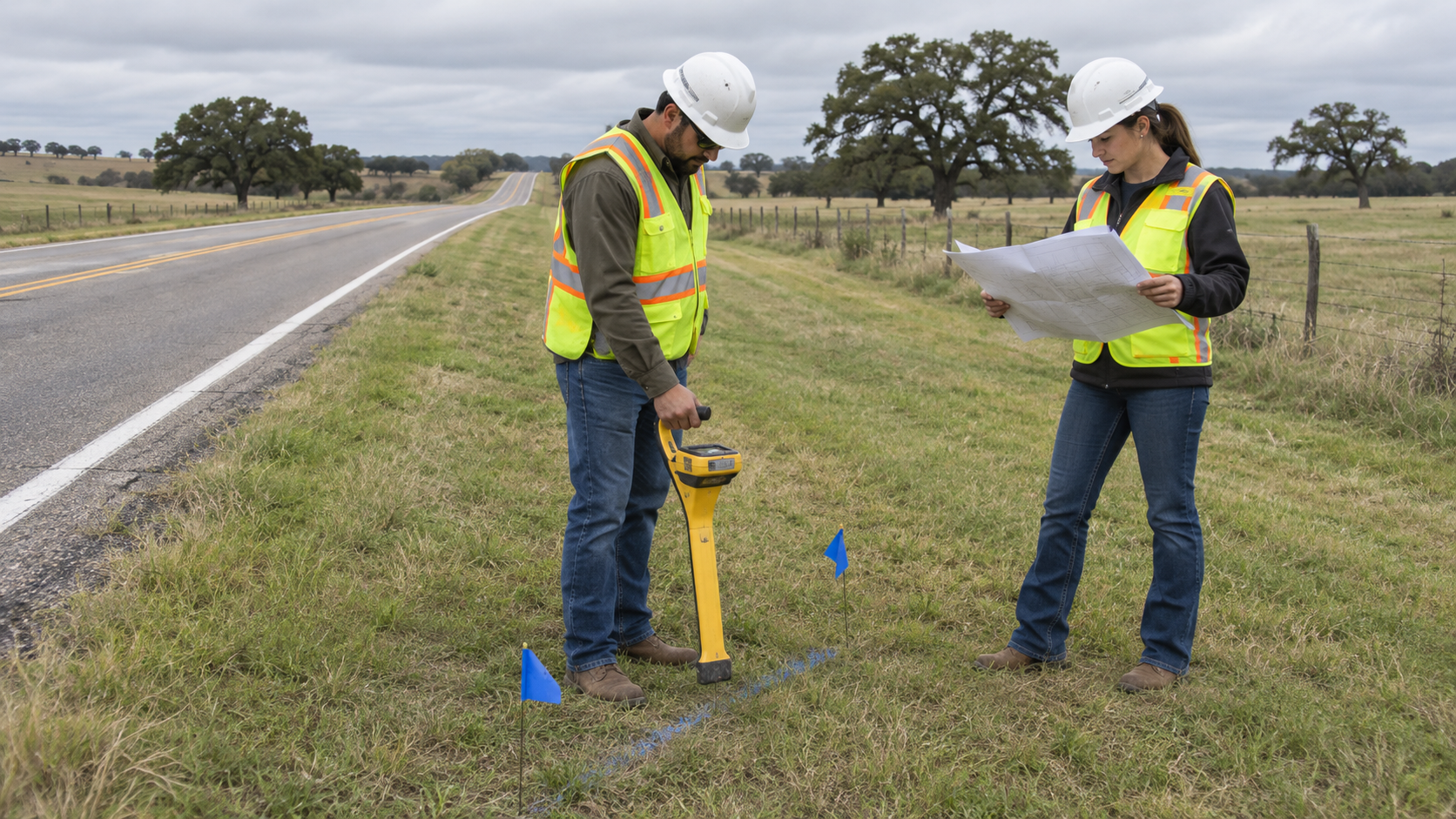
Ask which facilities conflict with which proposed roadway features, where the conflict occurs and what plan version supports that conclusion. Do the plans show a verified utility location or a line carried forward from older records? Is the proposed work a relocation, a lowering, a protection-in-place solution or an adjustment of another kind?
That distinction changes the discussion. A waterline drawn through proposed pavement is not necessarily the same as a verified conflict at a known depth. Conversely, an apparently small conflict may involve service interruptions, access constraints or another utility’s construction sequence. Get the project team and engineer aligned on the physical problem before committing to a solution.
Next, separate property rights from reimbursement assumptions
Utilities sometimes hear “the pipe is in highway right of way” and conclude reimbursement is off the table. That is too broad. TxDOT’s ROW Utilities Manual directs review of the utility’s compensable interest and recognizes circumstances requiring more than a quick look at today’s right-of-way line.
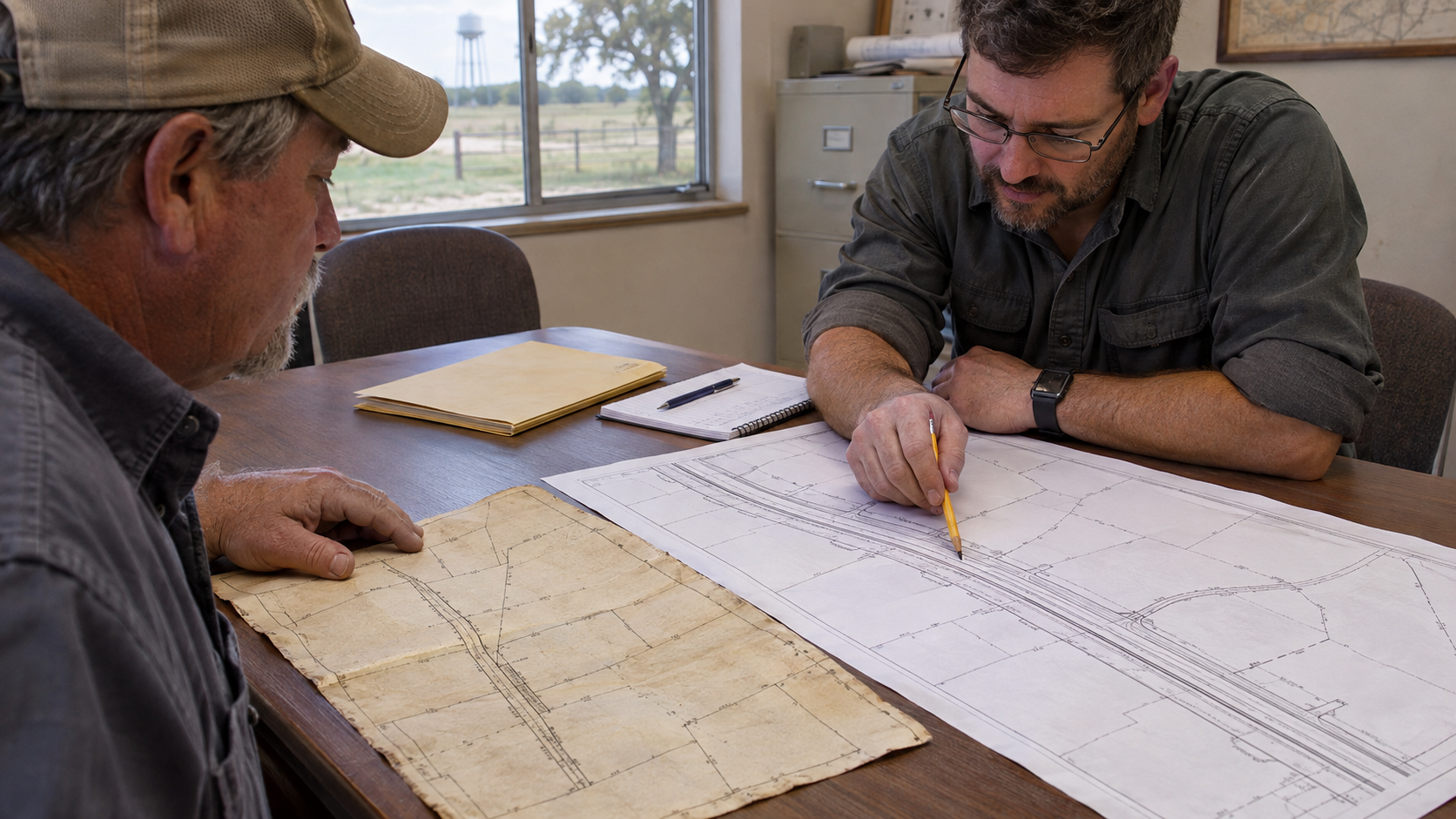
The question is not simply where the line sits now. It is what rights, if any, supported that installation and how those rights relate to the roadway’s history. Recorded easements, older right-of-way documents, utility agreements and installation records may deserve review. A recorded easement is useful evidence, but having an old document in a file does not automatically establish compensability for a particular facility or location.
Then ask what can be done—and when
Do not treat every form of notice as blanket authority to start relocation or incur reimbursable costs. TxDOT’s processes distinguish project coordination, agreements, approvals and authorization of eligible work. The specific notice and project delivery method matter.
Before authorizing design, construction, right-of-way acquisition or other substantial expense, ask the TxDOT project contact and your engineer what approvals are required, which costs might qualify and how records should be maintained. Get that answer documented. An otherwise eligible cost may create a dispute if incurred outside the applicable authorization process.
🛠️ How Can TerraServ Help?
Navigating right-of-way constraints, TxDOT permitting, and landowner negotiations doesn't have to stall your infrastructure goals. Whether you’re planning a main extension or securing state funding, TerraServ acts as an extension of your utility team.
Here is how we support Texas utility boards, WSCs, and municipal engineers:
Private Easement Acquisition: We handle end-to-end landowner outreach, title work, and easement negotiation to keep your lines out of crowded public ROWs.
TxDOT & County Alignment Strategy: When ROW placement is unavoidable, we help mitigate relocation risks and navigate complex encroachment permitting
Avoid costly utility conflicts down the road.
📞 We love to chat, call us direct at: (512) 277-5497 or reach out to us at TerraServ@TerraServTX.com
Bring six questions to the next meeting
Use this short agenda with your engineer, board or utility coordinator:
· Exactly which facilities and stations are in conflict, and what evidence supports those locations?
· What is the current roadway plan and anticipated utility-adjustment schedule?
· What property-rights or prior-rights documentation should be assembled?
· Who is preparing the utility adjustment plans and cost estimate?
· Which agreements, permits or approvals must come before each stage of work?
· What expenses may be eligible, and how should they be documented?
These questions do not delay progress for its own sake. They put the utility in a better position to make decisions with a shared record of what is known, what is not and who needs to act.
Bottom Line
A relocation notice should start a coordinated review, not an immediate assumption about cost responsibility. Confirm the physical conflict, property-right evidence, authorization sequence and schedule before committing the system to a path. The strongest first meeting is often the one that produces fewer guesses and a clear list of next decisions.
This article provides general project-planning information, not legal, engineering or reimbursement eligibility advice. Follow the project-specific TxDOT documents and obtain appropriate professional review.