
October 6, 2026
Your Site Works, But The Utility Route Leaves Your Property. Now What?
A practical Texas look at off-site utility easements, adjoining-owner negotiations, and why the shortest route on the plan is not always the route that gets built.
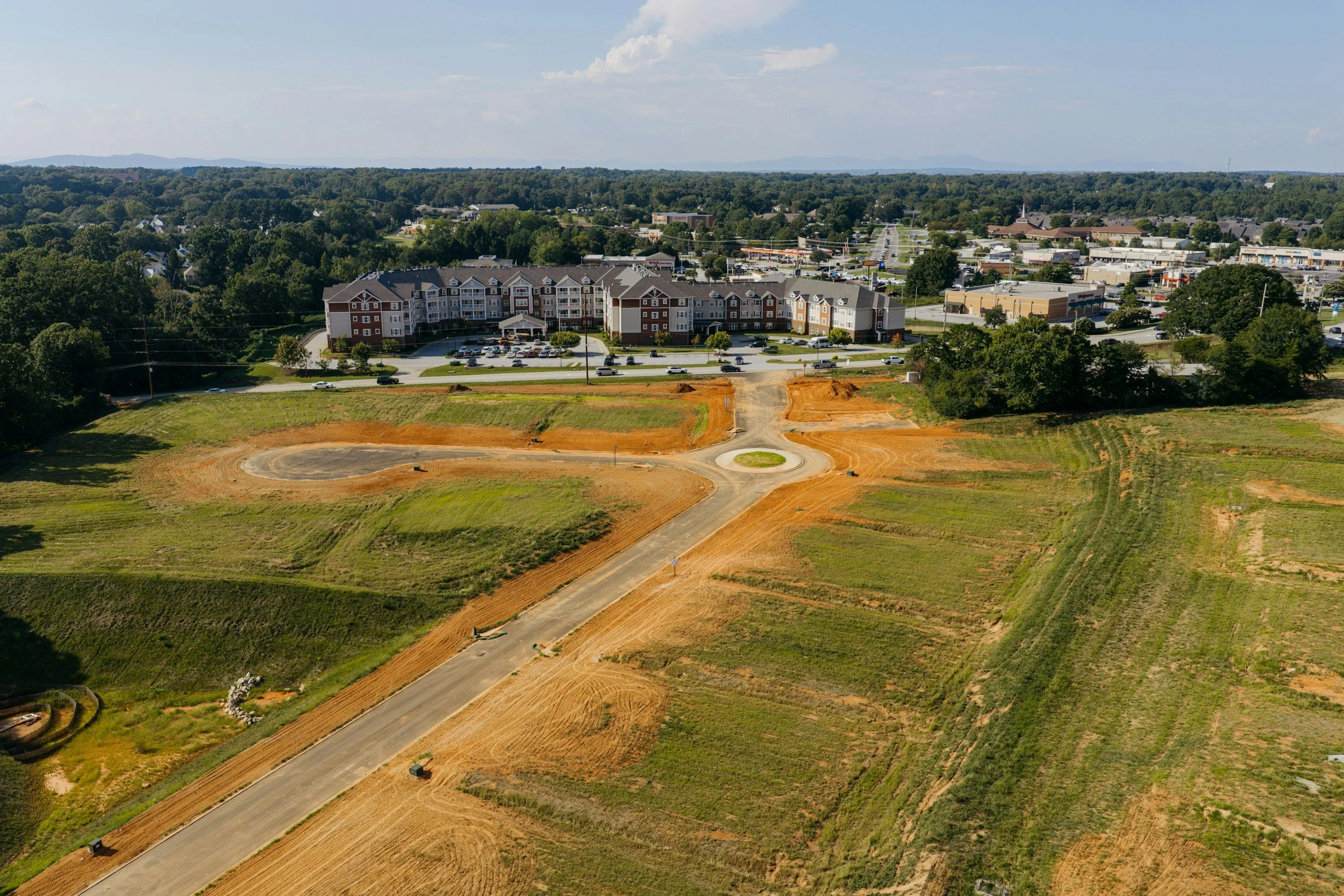
A site can look completely viable until somebody realizes the water, sewer, drainage, or access route has to cross land the developer does not control. At that point, the issue is no longer just engineering. It becomes a land-control, schedule, and coordination problem.
We have seen off-site utility alignments move three or four times because an adjoining owner would not agree to the proposed route. We have seen negotiations become harder because someone contacted the owner too early, approached the conversation poorly, or unintentionally increased expectations. We have even seen owners ask for taps or project concessions that the person across the table was not actually authorized to promise.
That is why a project can work on paper and still stall the moment the line leaves the property.
The Site Can Work and Still Have a Land-Control Problem
One of the easiest assumptions to make during development planning is that a workable route is the same thing as a controllable route. It is not.
A civil engineer may identify the shortest or most efficient connection to an existing water or wastewater main. But once that alignment crosses a neighboring tract, the project team has another set of questions to answer: Who owns the affected land? What rights are actually needed? Is there already an easement? Will construction require temporary workspace, access, bore pits, staging, or restoration outside the permanent easement?
Until those questions are answered, the route may be technically feasible without being project-ready.

Why Off-Site Problems Get Discovered Too Late
Off-site issues are often identified after a site is under contract, design has progressed, or a city or utility has reviewed the plans. By then, the team is already thinking about approvals, construction pricing, tenant or lot delivery, and financing milestones. Nobody wants to discover that the critical path now depends on a landowner who is not part of the project team.
Texas requirements also vary by jurisdiction and project structure. One city may place responsibility for required off-site easements on the developer or property owner initially, with a process for requesting municipal assistance in certain circumstances. Other cities may require off-site easements needed for construction improvements to be executed before release of a construction permit. Water districts can operate under a different framework under TCEQ rules.
The practical lesson is not that one rule applies everywhere. It is that the project team should identify who is responsible for acquisition, who pays, what documents are required, and what happens if voluntary acquisition fails before those questions become schedule emergencies.
The Shortest Route Is Not Always The Best Route
This is where land work should influence route planning, not merely follow it.
A shorter alignment can become the more expensive option if it crosses a tract with a resistant owner, significant future-development concerns, title complications, restoration issues, or difficult construction access. We have seen otherwise workable routes abandoned after owner negotiations were soured before the acquisition team arrived. We have also seen routes move because the impact to the neighboring property simply made another alignment more practical.
That does not mean engineering should design around every possible objection. It means route evaluation should include acquisition difficulty and owner impact alongside footage, depth, construction cost, and hydraulic or utility considerations.
Before You Treat The Route As Solved
Before the team gets too far into design, confirm a few basic items:
· Does any required water, sewer, drainage, access, or other infrastructure leave property the project already controls?
· Who owns each affected tract, and has anyone already contacted the owner?
· What permanent easements and temporary construction rights will actually be required?
· Does the applicable development agreement, ordinance, utility policy, or district rule assign acquisition responsibility?
· Are there existing easements, restrictions, or other recorded interests that affect the proposed route?
· Is there a realistic alternate alignment if the preferred route becomes difficult to acquire?
These are not only land questions. They are project-delivery questions. Asking them early gives the team more room to negotiate, redesign, or solve the problem without making the off-site tract the emergency everyone is waiting on.
Bottom Line
A development can be technically feasible and still have an off-site land-control problem. If the route leaves the property, the project team needs to understand not only whether the line can be designed, but whether the required easements, construction access, owner cooperation, and schedule can realistically be secured.
The earlier those issues are identified, the more options the team usually has to adjust the route, manage negotiations, and avoid turning an adjoining tract into the project’s critical path.
🛠️ How Can TerraServ Help?
TerraServ helps Texas developers, municipalities, utilities, and engineers evaluate off-site easements, adjoining-owner issues, title questions, temporary construction needs, and acquisition strategy. If an otherwise workable route depends on property you do not control, we can help identify the land-rights issues and possible paths forward.
Have An Off-Site Issue? Contact Us Today
📞 (512) 277-5497 or reach out to us at TerraServ@TerraServTX.com
This resource is provided for general informational purposes only. Project requirements vary by jurisdiction, utility provider, governing agreement, title condition, and specific facts. It is not legal or engineering advice.